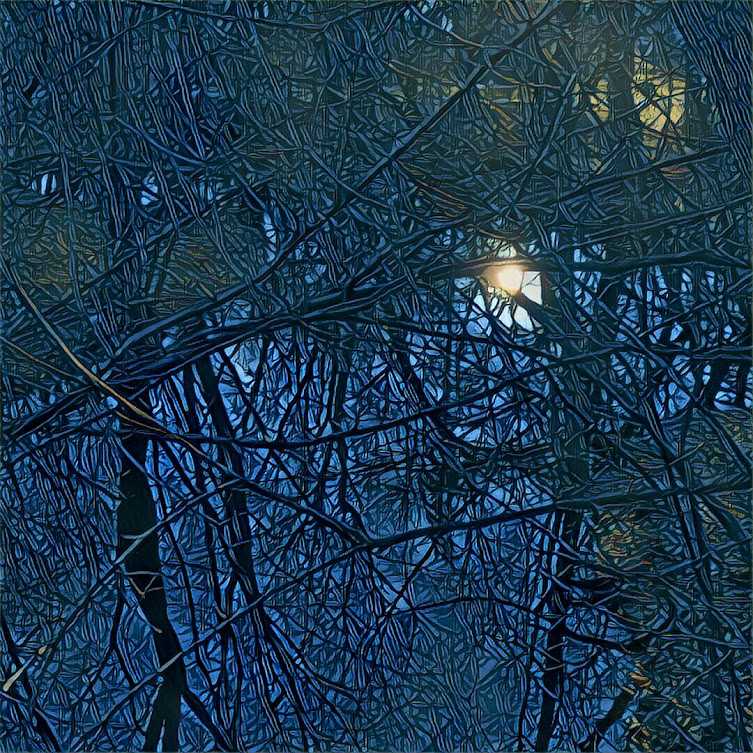
The Dakota named their home, "The Land Where the Water Reflects the Clouds."
A name full of shining sacredness, and thus the best kind of name.
The Europeans who took the land from the Dakota and the Ojibwe called it "The Land of 10,000 Lakes."
They built two cities, side by side, on both banks of the Mississippi River.

Before I continue this tale, there are some things you need to understand. For context.
Minneapolis is the City of Lakes. This is where I was born, and where my parents were born, and where I have lived for 99 percent of my life. Except for the river gorge, it stands on flat terrain, where the Chain of Lakes and wetlands reflect the sky. Scando-protestant-hipster-liberal.
St. Paul is the Capitol City. St. Paul is the older, smaller, hillier city, with more historic buildings and old neighborhoods than Minneapolis--Irish-Catholic-traditional DFL-blue collar.
So to simplify greatly, St. Paul, history. Minneapolis, lakes.
But both river. The Mississippi manages to snake through both downtown hearts, even though they are 10 miles apart.
Native Minneapolitans rarely move to St. Paul, and vice versa.
It's just how it is.
But if they're me, chances are they will end up working in St. Paul quite often. Like I am now.

Every morning, I drive from Minneapolis to St. Paul over the Meeting of the Waters, Mendota, where the Mississippi joins the Minnesota River. I sneak glances through the highway bridge railings at the river, and it looks like a wide, blank expanse of snow. If it weren't for the Cottonwoods that delineate its banks, and the fact that there is a bridge over it, you wouldn't know a wild river slept beneath. All appears still.
But I know the river is napping with one eye open, alive and restless even in winter, its water brown as a hibernating bear and bristling with ice crystals, creeping through ever-rushing arteries within the frozen architecture of its slumber.

As I cast my eyes outward, I see too the mystical island at the confluence of the rivers, the sacred place that the Dakota considered to be the center of all things, where their stories tell that humankind was created.
Remember the times I have walked across the sandy flood plain of that island--a somehow-hushed, between-the-worlds, silver-green place, even with the traffic from the bridge rushing over and the droning of jets overhead and the occasional speedboat sending the river water washing against the low banks.
I do not like its modern name so I won't write it here. The island's sacredness can't be hemmed in by powerlines or desecrated by broken treaties...it is native to the place, unconquerable. That's what I tell myself, when I see it beset on all sides by civilization, so that I don't feel as sad.
But at times it is meet and right to feel sad, isn't it?

For most of the trip I follow a road at the base of the river bluffs, close to the Mississippi. If only I had a way of taking photos as I drive. My hungry eyes take sustenance from the sights each morning--the fairyland of snow-covered trees in a ravine, the bold, medieval hulk of a grain elevator against the sky, billows of pale pink and lavender steam-clouds unfolding from smokestacks in the morning sunlight.
This is what I see after I get out of the car...thus I share a small part of my daily journey with you, wherever you are.

The St. Paul Cathedral on Cathedral Hill, the view to my left...

...the Minnesota State Capitol, the view to my right...

...the young river birch maidens I pass on my daily walk from the parking lot to the building...

...looking toward the Cathedral, lofty Austrian pines...and the entrance to the history museum where I work, which has taken up residence between the domes of St. Paul.

There are so many kinds of history, and there is no history without a story. The one that is calling to me is the story of this land itself. I don't mean Minnesota as a political entity, but something deeper and older and bigger than that: this Place that was loved by the native peoples who knew it and honored it and cared for it and were part of its story for centuries upon centuries.
I'm coming to understand that there is so little I understand about being a part of the essential Here.
Is this making any sense? I realize I write things like this rather often. More than half a century of living, and sometimes I wonder what it is I've been doing up to this point. Is that how everyone feels as they grow older? That maybe it takes years to even begin to ask the right questions?
I feel I'm a child in the world, even now, in all that I'd like to understand. I'm curious. Once again, I'm hot on the trail of something. Might get hold of it, might not, but no matter; I'm sure to find something.
Maybe I'll start this round with the museum store. It has many books on Dakota culture. I have a lunch hour and an employee discount.
P.S. And perfectly in line with Raquel's intuition on this, I was guided to an excellent post on Priscilla Stuckey's blog, This Lively Earth, about her journey in relationship and spiritual helpers.


