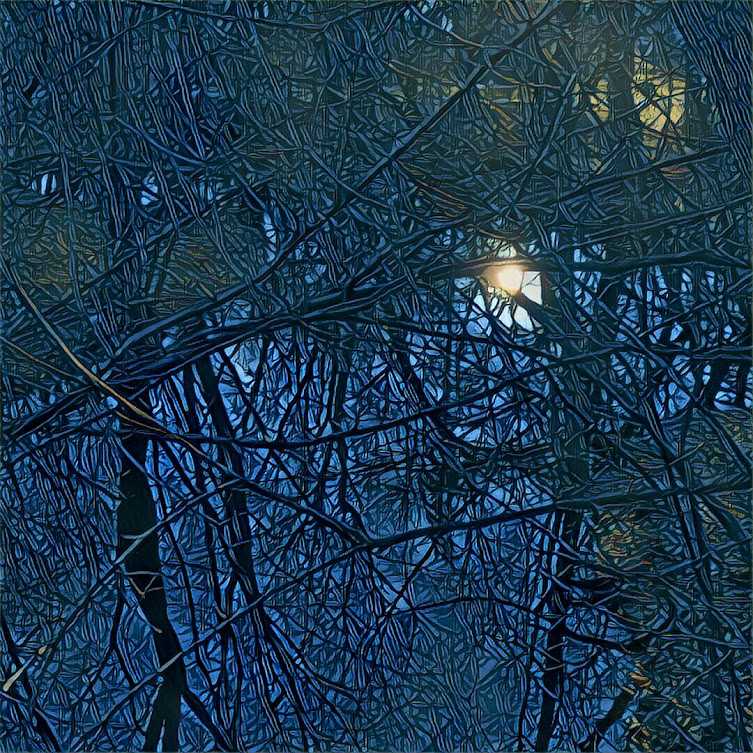

"The imagination of nature is far, far greater than the imagination of man." — Richard Feynman
I stumbled upon the Evensong service at St. Paul's Cathedral on Wednesday, open to all who wish to attend.
Sitting in the visitor's section toward the back of the church, I gazed at the gold leaf dimly gleaming far above in the images and words painted on the domes. I listened to the choir singing the service, above the murmurs and whispers and shuffles of people from all around the world who had wandered in to see the magnificent interior, been caught by song for a moment, and then wandered out again.
I stayed through the lessons and verses and prayers and canticles and the chanting of the Apostles' Creed, and more spoken prayers.
Let it be said that I was present as an observer, open to beauty and peace, but not as a believer in a supreme being. To paraphrase Frank Lloyd Wright, "I believe in the Divine, only I call it Nature."
I thought, churches are made in echo of nature's glory and creation. Some, like this one, are a kind of gilded grove of stone trees, catching jeweled light in their branches. So, why then build churches instead of just going to the grove itself to experience the sacred?
What would the world be like, I mused, if humankind had remained on a path in harmony with our bodily existence, our planet, and all its creatures—rather than devaluing our senses and experience on earth as "less than" what is to come in an afterlife?
What if people believed that this is our paradise, right here, right now, and that living with kindness and compassion is our daily reward? That every living being has its own divinity and right to exist? That the planet is our home, not our possession?
What if church choirs went out under the open sky to sing our sacred connection with the earth back into the land—in forest, meadow and mountain, on river, lake and sea?
How would the world be different if religions taught us to honor the miracle of this inexpressibly precious, life-nurturing planet and all its blessed life forms—the transcendence of every green person, every living creature—which through death, nurture new life, and are thus eternal and immortal?
What if we embraced the beauty of now—with all its pain, laughter, loss, creation and endless change?
How different would human history, human lives, and the lives of everything else on this planet be, if all those "ifs" were so?
Thank you, St. Paul's, for calling forth these questions in me.
